95
Score
Action RPG · May 12, 2026
Elden Ring
A hostile open world that makes discovery feel dangerous again.
Action RPG · May 12, 2026
A hostile open world that makes discovery feel dangerous again.
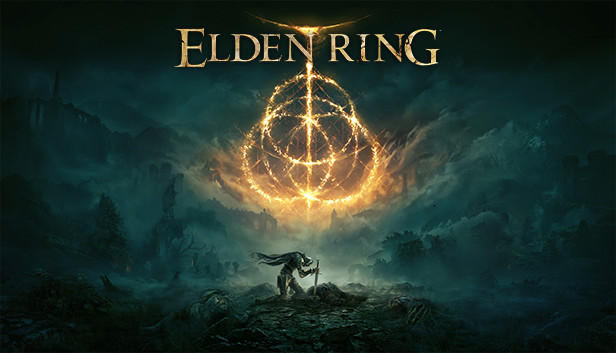
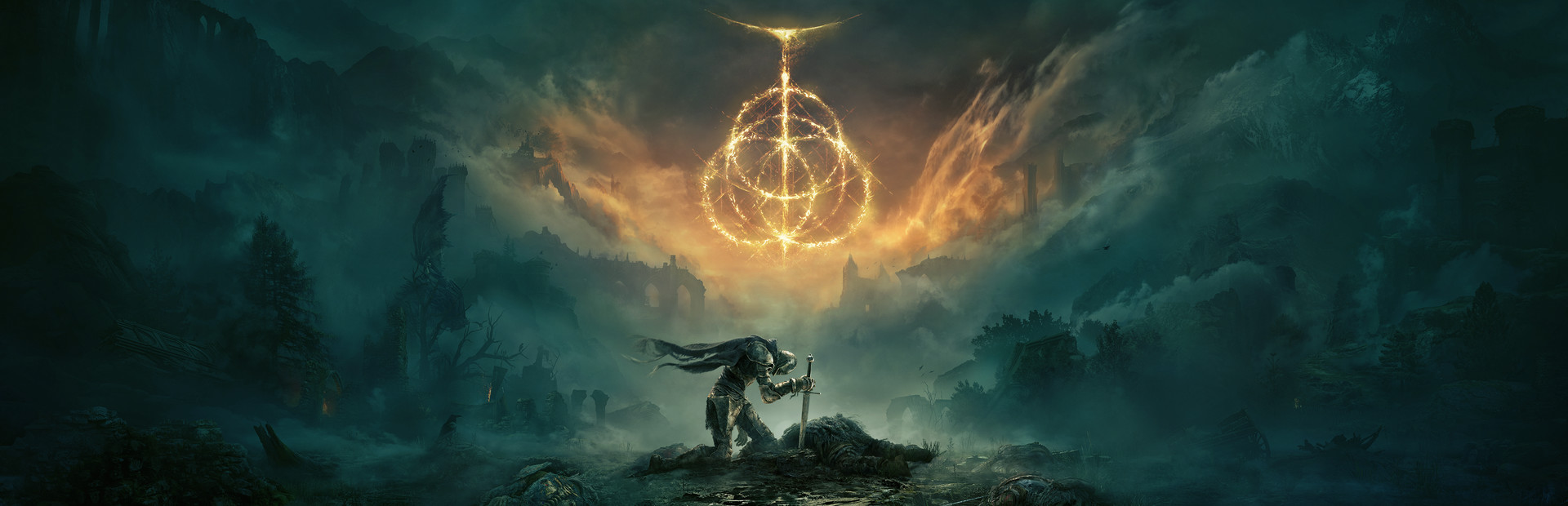
Elden Ring’s greatest trick is making a huge map feel undocumented. Towers, caves, caravans, swamps, castles, and cliffs do not exist to fill a task board; they exist because the world seems older than the player. The result is exploration driven by suspicion rather than completion.
That structure pairs perfectly with FromSoftware’s combat language. You are free to leave, return, respec, summon, or invent a different build, but the game rarely pretends danger has softened. The map is wide, yet the pressure remains intimate.
Weapon arts, spirit ashes, sorceries, incantations, bleed setups, shields, colossal blades, and agile dexterity kits all open distinct routes through the same terrain. Some bosses are majestic tests of pattern recognition; others are pure survival theatre.
There are repetitions and difficulty cliffs, especially for players who chase every optional encounter. Even so, Elden Ring turns those flaws into part of its mythic scale. It is a rare blockbuster that feels confident enough to withhold answers and let the player become lost on purpose.
Further reading
 86
Score
86
Score
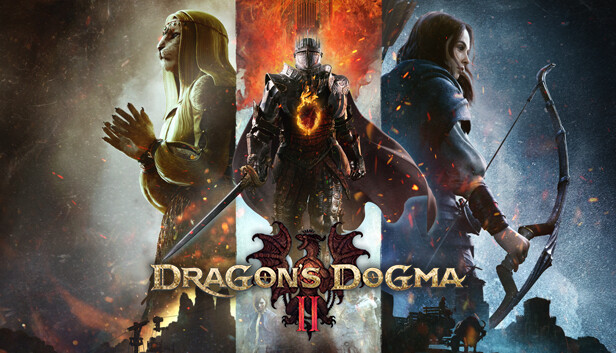
Capcom’s sequel is at its best when pawns, monsters, travel routes, and poor planning collide into chaotic stories that feel authored by the road itself.
 96
Score
96
Score
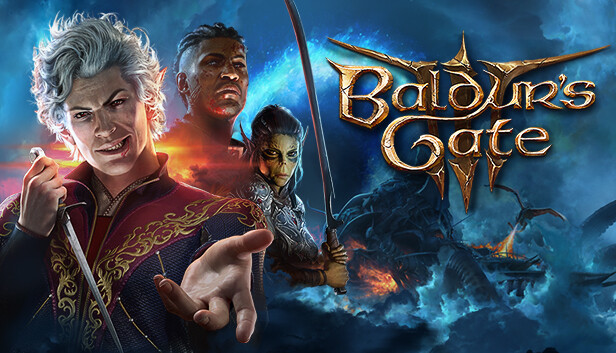
Larian’s RPG remains a benchmark for authored freedom: dense quests, systemic improvisation, expressive party writing, and a campaign that keeps rewarding curiosity.
 93
Score
93
Score
Supergiant’s sequel keeps the combat readable and expressive while expanding progression, character texture, and the pressure of each underworld run.